
TL;DR: Most rotator cuff tears, including complete ones, don’t require surgery. Mild partial tears typically improve meaningfully within 6-10 weeks of physio. Moderate tears take around 3-6 months. Larger or long-standing tears can take 6-12 months. Recovery isn’t about regrowing torn tissue; it’s about building enough strength in the surrounding shoulder muscles to restore full, pain-free function. For the majority of people, this is achievable without an operation.
The question most people ask when they get this diagnosis isn’t what caused it but whether they’ll need surgery. In most cases, the answer is no. A torn rotator cuff treated with physiotherapy typically takes anywhere from 6 weeks for a mild partial tear to 6-12 months for a larger or chronic injury. The goal isn’t to regrow the damaged tendon, which doesn’t happen reliably without surgery. It’s to strengthen the muscles around the shoulder so they work together well enough to restore full movement and function. With the right program and realistic expectations, the outcomes are genuinely good.
What Is a Rotator Cuff Tear?
The rotator cuff is a group of four muscles and their tendons that wrap around the shoulder joint, keeping the head of the upper arm bone stable within the shoulder socket. These muscles allow you to lift your arm, reach overhead, rotate your shoulder, and perform the repetitive tasks that most people take for granted until something goes wrong.
A tear occurs when one or more of these tendons or muscles are damaged, either suddenly through a fall or a heavy load, or gradually through years of overhead activity and age-related wear. Tears are classified as partial (the tendon is frayed or damaged but still attached) or full-thickness (the tendon is completely torn through). Full-thickness sounds alarming, but the size of a tear doesn’t reliably predict how much pain or limitation a person experiences. Many people with significant tears have minimal symptoms. What matters most is how the shoulder responds to treatment.
How Long Does Each Type of Tear Take to Heal?
Mild partial tears, where a small portion of the tendon is affected, typically show meaningful pain reduction and improved movement within 6-10 weeks of focused physio. These cases often respond quickly once the right load management and strengthening approach is in place.
Moderate tears involving a greater proportion of the tendon generally take 3-6 months to achieve reliable, pain-free function. Progress tends to be steady rather than linear; it’s common to have periods of solid improvement followed by a minor setback, particularly when activity levels increase too quickly.
More extensive or chronic tears, especially those that have been present for a long time before treatment starts, can take 6-12 months and may require ongoing maintenance exercises to keep the shoulder stable long-term. Healthdirect Australia provides a helpful overview of shoulder conditions and when to seek assessment.
What Does “Healing” Actually Mean for a Rotator Cuff?
This is a distinction that most people don’t hear clearly enough, and it matters for managing expectations. Unlike a broken bone that knits back together, torn rotator cuff tendon tissue doesn’t reliably regenerate. What scans detect years after a tear tends to be scar tissue, not restored normal tendon.
What actually happens during successful non-surgical recovery is that the surrounding muscles, particularly the deltoid and the stabilisers around the shoulder blade, are progressively strengthened to share the load the damaged tendon can no longer handle as efficiently. The shoulder becomes fully functional not because the tear disappears, but because the rest of the system gets strong enough to manage without it.
This reframe removes a lot of unnecessary anxiety. Your recovery goal isn’t a scan showing a healed tendon. It’s a shoulder that lets you lift your grandkids, swim laps, reach into the overhead cupboard at work, or play a round of golf without pain.
What Factors Affect Your Recovery Speed?
Several things influence how quickly you progress, and it’s worth understanding them before you start. Age affects tendon tissue quality and blood supply to the rotator cuff, both of which become more limited over time. Larger tears typically take longer than smaller ones. Sleep quality, nutrition, and smoking status all affect tissue adaptation in ways that are well-supported by research. And how long the shoulder has been painful before treatment begins has a significant influence: earlier intervention consistently leads to faster, more complete outcomes.
At iMove clinics across Clovelly, Rozelle, Waverley, and Panania, the initial assessment covers all of these factors so you leave with a realistic, specific timeline rather than a generic range.
How Does Physiotherapy Support Recovery?
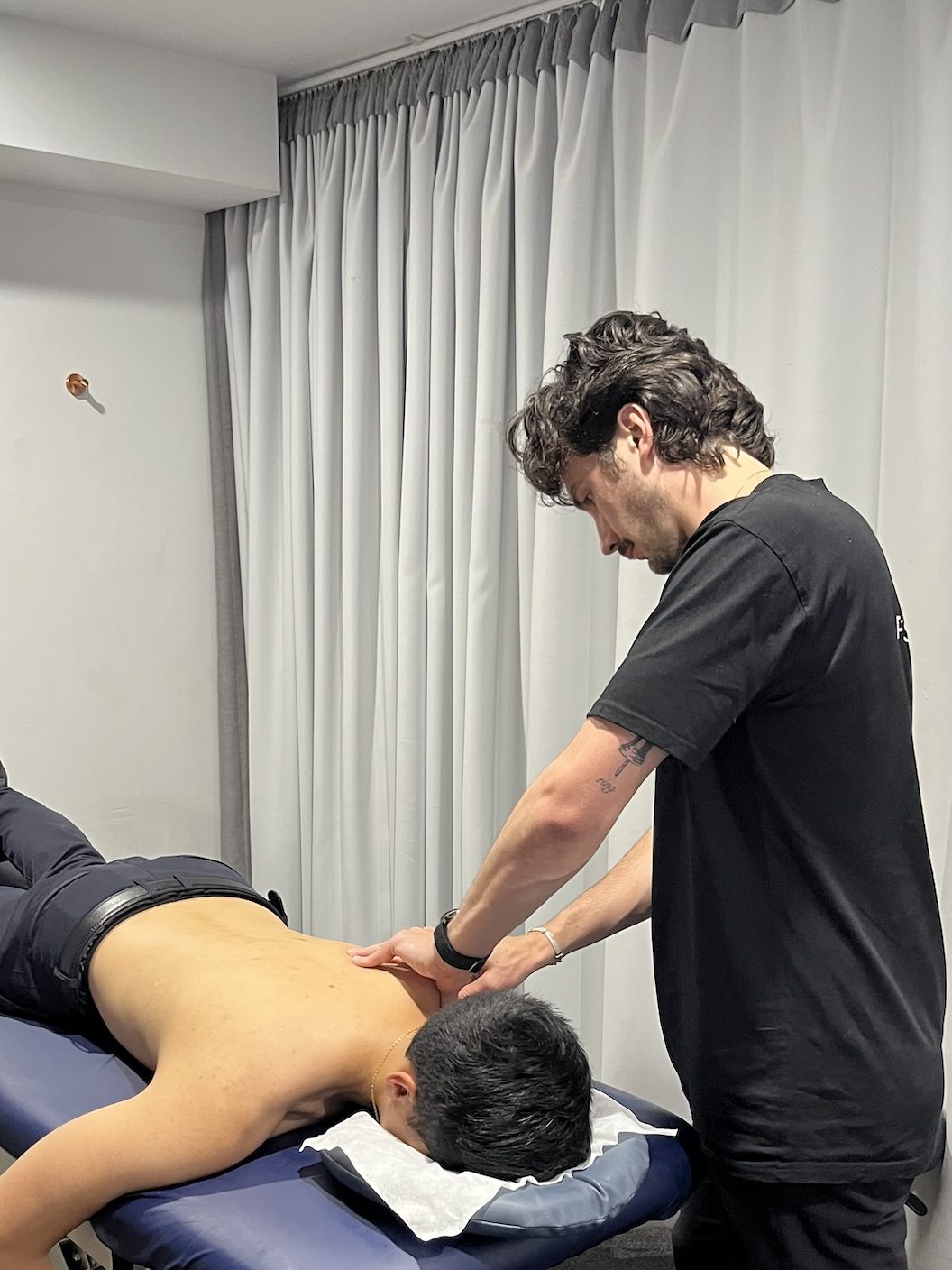
Non-surgical management for a rotator cuff tear follows a clear progression. Early treatment focuses on reducing pain and protecting the shoulder from further aggravation. This involves hands-on therapy, load modification to keep you moving without irritating the injury, and gentle range-of-motion work to prevent the stiffness that often compounds a rotator cuff problem.
As pain settles, the program progressively loads the shoulder through strengthening exercises targeting both the rotator cuff muscles themselves and the larger muscles of the shoulder blade and upper back. These periscapular muscles provide the stable base from which the rotator cuff works, and building their capacity is consistently one of the highest-value parts of recovery. The Australian Physiotherapy Association supports progressive loading as the most evidence-based approach to tendon rehabilitation, which underpins how we structure every shoulder program at iMove.
In the later stages, exercises become more functional and specific to what you want to return to, whether that’s a particular sport, a physically demanding job, or simply being able to sleep on your side again without waking up in pain.
When Might Surgery Be the Right Option?
Non-surgical management isn’t the right path for everyone, and it’s important to be honest about that. Surgery is generally considered when significant pain and weakness persist after a genuine 3-6 month commitment to physio, when a complete tear occurs in a younger, highly active person whose work or sport demands full overhead strength, or when the structural picture on imaging makes conservative management unlikely to succeed.
If surgery becomes the right option, the team at iMove is experienced in post-surgical shoulder rehabilitation. We work closely with your surgeon to ensure your recovery is well-supported from day one after the operation. You can read more about what that process involves on our rehabilitation page. We also have a detailed article on whether physio alone can help a rotator cuff heal if you want to explore the non-surgical evidence in more depth.
Key Takeaways
- Most rotator cuff tears, including full-thickness tears, can be successfully managed without surgery.
- Mild partial tears typically improve significantly within 6-10 weeks; moderate tears take 3-6 months; larger or chronic tears can take 6-12 months.
- Recovery works by strengthening the surrounding shoulder muscles to compensate for the damaged tendon, not by regrowing the torn tissue.
- Age, tear size, general health, and how long the injury has been present all influence recovery speed.
- Earlier treatment leads to faster outcomes; if your shoulder has been sore for months, starting now will always be better than waiting longer.
- Surgery is a genuine option for some presentations, but only after non-surgical management has been given a proper chance.
Book a Shoulder Assessment at iMove
If shoulder pain is stopping you from sleeping, lifting, reaching, or doing the things you enjoy, our physios at iMove can assess your rotator cuff, give you an accurate diagnosis, and build a rehab plan around your goals and timeline. We see patients across Sydney at our clinics in Clovelly, Rozelle, Waverley, and Panania.
Frequently Asked Questions
Can a rotator cuff tear heal completely without surgery?
In functional terms, yes, for the majority of people. The torn tendon tissue itself doesn’t reliably regrow, but through targeted strengthening the shoulder can recover full pain-free movement and strength. Whether that counts as “complete” healing depends on what you need your shoulder to do. For most everyday activities and many sports, the outcome of good non-surgical rehab is indistinguishable from a surgically repaired shoulder.
Is it OK to keep using my shoulder with a rotator cuff tear?
Generally yes, within limits. Complete rest is rarely helpful and often leads to stiffness and muscle loss that makes recovery harder. The goal is to stay active within a pain threshold that doesn’t aggravate the injury. Your physio will set those limits clearly at your first appointment and adjust them as you progress.
How will I know if my shoulder is getting better?
The clearest signs of progress are a reduction in pain during the activities that were previously aggravating, improved range of motion, and returning strength, particularly the ability to lift your arm overhead without discomfort. Your physio will track these markers at each appointment so you have a clear picture of how you’re responding.
My shoulder has been sore for over a year. Is it too late for physio to help?
No. Chronic rotator cuff injuries respond well to physio, though they typically take longer than acute presentations. The longer an injury has been present, the more important it is to address not just the shoulder itself but the compensatory movement patterns and muscle imbalances that develop over time. A thorough initial assessment will identify all of these.
Do I need an MRI before starting physio?
In most cases, no. A thorough clinical assessment gives your physio everything needed to diagnose your injury and begin treatment. MRI is useful when the diagnosis is unclear, when there’s a concern about a full-thickness tear in someone who may need surgery, or when symptoms aren’t responding as expected. Your physio will advise if imaging is warranted.